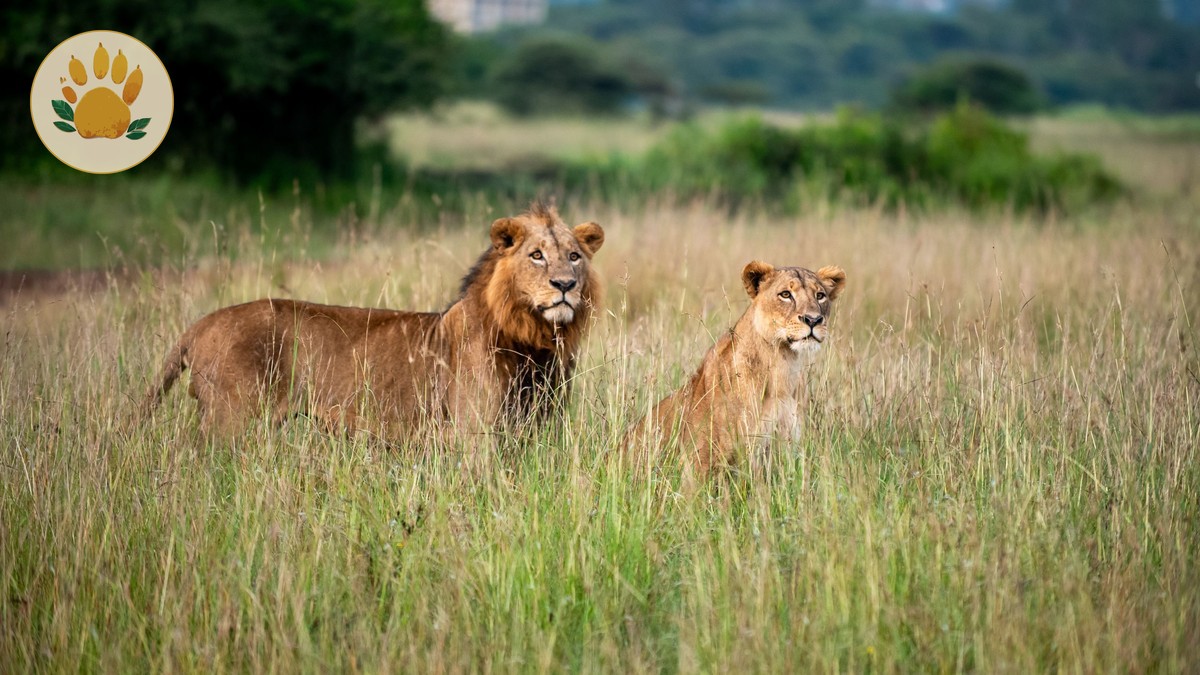
You have done the Mara. This time you want Samburu’s dry riverbeds, the Laikipia plateau, maybe a push further north toward the Mathews Range. All of it starts with one question: what is the Nairobi to Nanyuki driving distance, and can you get there and still make camp before dark.
The short answer is 196 km and about 3 to 3.5 hours on a clear day. The longer answer, the one that actually matters for planning, is what happens between Thika and Naro Moru, and whether you should be behind the wheel yourself.
Nairobi to Nanyuki driving distance at a glance
By road, Nairobi to Nanyuki covers roughly 196 km (122 miles) heading north on the A2. This is the same trunk road that runs through Thika, Karatina, and Naro Moru all the way to Nanyuki. In good conditions, with one fuel or coffee stop, the drive takes 3 to 3.5 hours. Add 30 to 45 minutes if you leave during Nairobi’s morning rush, roughly 7:00 to 9:00 AM.
| Metric | Figure |
|---|---|
| Distance (road) | ~196 km / 122 miles |
| Drive time, no stops | ~3 hours |
| Drive time with one stop | ~3.5 to 4 hours |
| Elevation change | Nairobi ~1,795 m to Nanyuki ~1,950 m, dipping to roughly 1,200 m near Sagana before climbing steadily north |
| Fuel, mid-size 4×4 round trip | roughly KES 8,000 to 10,000 (indicative) |
| Self-drive 4×4 rental | roughly USD 70 to 120/day (indicative) |
| Private driver/transfer, Nairobi-Nanyuki | roughly USD 120 to 180 flat (indicative) |
This is not a wilderness crossing. It is a tarmac road the whole way, used daily by matatus, trucks, and safari vehicles heading to Meru, Samburu, and Isiolo.
The route stage by stage
Breaking the drive into stages helps you judge pace and pick stops, rather than just watching a single distance figure count down.
| Stage | Approx. distance | Approx. time | Notes |
|---|---|---|---|
| Nairobi to Thika | 42 km | 45-60 min | Thika Superhighway, often congested near Nairobi |
| Thika to Sagana | 58 km | 45 min | Passes Makuyu and Kenol, road opens up |
| Sagana to Karatina | 27 km | 25 min | Near the Chania and Sagana rivers |
| Karatina to Naro Moru | 47 km | 40 min | Passes Nyeri, with Mount Kenya visible on clear mornings |
| Naro Moru to Nanyuki | 22 km | 20 min | Crosses the Equator line just before town |
These segment distances are approximate, based on standard route markers, and can shift a few kilometers depending on which junction you take through Karatina and Nyeri.
Road conditions in 2026
The Thika Superhighway remains multi-lane tarmac and fast, aside from Nairobi’s edges during rush hour. Past Thika, the A2 narrows to two lanes but stays well surfaced through Sagana and Karatina. The stretch from Karatina through Nyeri to Naro Moru has had patchwork repairs in recent years. Expect short sections of rougher tarmac and occasional potholes rather than a uniformly smooth ride. Naro Moru to Nanyuki is in solid condition.
Traffic police checkpoints appear near Thika and again close to Naro Moru. Keep your documents on hand and expect brief stops, not delays.
Scenic stops worth the ten minutes
A few stops break up the drive without adding much time.
- Fourteen Falls, near Thika, a short detour to see the Athi River drop over volcanic rock.
- Blue Post Hotel, Thika, a long-standing waypoint for tea or an early lunch.
- Sagana, good for fuel, coffee, and white-water rafting operators if you have an extra hour to spare on a later trip.
- The Equator crossing, just south of Nanyuki, marked and worth five minutes for the photo and the informal demonstration stalls.
- Trout Tree Restaurant, Nanyuki, a treehouse restaurant serving trout raised on site, a good lunch stop if your timing allows.
None of these require a detour of more than 10 to 15 minutes off the main route.
Self-drive or hire a driver
Both work on this road. The decision comes down to what you want to do once you arrive.
Self-drive suits travelers who want to control the pace, stop freely at the Equator or Fourteen Falls, and who already have Kenya driving experience. Rental for a mid-size 4×4 runs roughly USD 70 to 120 a day, plus fuel. Traffic laws are enforced, driving is on the left, and road signage thins out past Karatina.
Hiring a driver removes the guesswork. A private transfer from Nairobi to Nanyuki runs roughly USD 120 to 180 for the vehicle, regardless of passenger count. A driver-guide for a full day of touring typically costs USD 40 to 70 on top of fuel. This matters more once you continue past Nanyuki into conservancy tracks, where local route knowledge saves real time.
If you are a repeat visitor moving on to Samburu or deeper Laikipia after Nanyuki, a driver who knows the conservancy roads is usually worth the cost. Self-drive works fine for the paved run to Nanyuki itself.
Do you need a 4×4 for this drive
Not for the tarmac stretch to Nanyuki. A standard sedan or small SUV manages the road from Nairobi to Nanyuki without trouble in dry conditions. A 4×4 becomes useful the moment you leave tarmac, heading into Ol Pejeta, Lewa, or the murram tracks toward Samburu, especially after rain when black cotton soil turns to mud.
If your trip continues past Nanyuki, book the 4×4 from Nairobi rather than swapping vehicles mid-trip.
Timing your arrival at the conservancy gate
Most Laikipia conservancies close their gates around 6:00 to 7:00 PM, and some restrict entry after dark for safety reasons tied to wildlife on the roads. Ol Pejeta’s main gate sits about 10 to 15 km from Nanyuki town, roughly 15 to 20 minutes past the Equator crossing.
Leave Nairobi by 7:00 AM and you can expect to reach Nanyuki by 10:30 or 11:00 AM. That leaves you well ahead of any gate deadline, with time for lunch at Trout Tree or a stop at the Equator. Leave after lunch and you are cutting it close if Ol Pejeta or Lewa is still ahead of you. For full planning around the reserve itself, our Ol Pejeta Rhino Sanctuary guide covers gate times, entrance fees, and what to see once inside.
Night driving on this road is manageable but not ideal. Livestock, unlit vehicles, and pedestrians near trading centers are the main hazards. If you are running late, it is worth overnighting in Nanyuki and continuing to the conservancy the next morning.
The SafariPure Difference
Most of what ranks for this search is a single distance figure and nothing else. We would rather tell you what the road actually feels like in each stage, and what a driver-guide costs against what you save in stress. We tell you when to leave so you are not negotiating with a closing gate at dusk. That is the same judgment we apply to the parks themselves. It means knowing which Laikipia conservancies have had recent black leopard sightings, or where to look on a rainy-season game drive when the cats move off the plains.
If this is your second or third trip to Kenya, the drive to Nanyuki is often the easy part. The harder decisions come after, in choosing between Samburu’s dry-country species and Laikipia’s private conservancies. Our guide to planning your next Kenya safari walks through those trade-offs in more detail.
FAQ
How long does it take to drive from Nairobi to Nanyuki? About 3 hours without stops, 3.5 to 4 hours with a fuel or food break.
What is the distance from Nairobi to Nanyuki? Roughly 196 km, or 122 miles, by road.
Is the road safe to self-drive? Yes, for the tarmac route to Nanyuki. Take normal precautions around town centers and avoid arriving after dark if possible.
Do I need a 4×4? Not for Nairobi to Nanyuki itself. You will want one for onward tracks into Ol Pejeta, Lewa, or Samburu.
Is there a train or matatu option? Matatus run this route regularly and are inexpensive, though comfort and schedule reliability vary. There is no passenger train currently serving Nanyuki.
What time should I leave to reach Ol Pejeta before the gate closes? Leaving Nairobi by 7:00 to 8:00 AM gives a comfortable margin for a same-day arrival well before evening gate closing times.
Plan the drive with SafariPure
If you are weighing self-drive against a private transfer, or trying to fit Nanyuki into a longer Laikipia and Samburu itinerary, we can help you build the timing around it. Get in touch through our contact page to start planning.